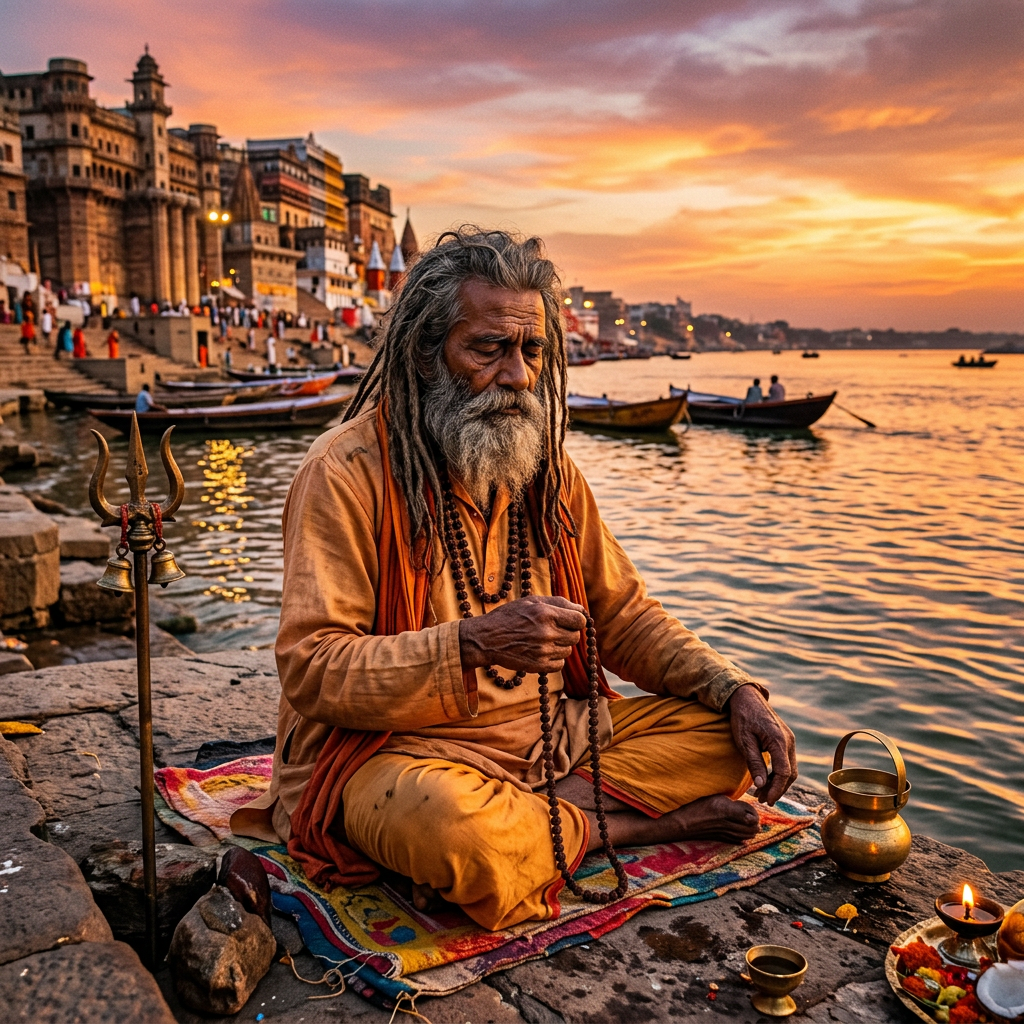
भोगे रोगभयं कुले च्युतिभयं वित्ते नृपालाद्भयम्
माने दैन्यभयं बले रिपुभयं रूपे जराया भयम्।
शास्त्रे वादिभयं गुणे खलभयं काये कृतान्ताद्भयम्
सर्वं वस्तु भयान्वितं भुवि नृणां वैराग्यमेवाभयम्॥
एतस्य अन्वयम् अर्थं च पश्यामः। अन्वयक्रमे केचन स्तराः सन्ति। तेषां स्तराणाम् नामानि अधो निर्दिष्टानि।
- पदविभागः
- सन्धिः
- अन्वयः
- अन्वयार्थः / प्रतिपदार्थः
- तात्पर्यम्
अधुना एकैकं स्तरं गत्वा एतस्य श्लोकस्य मूलम् अर्थं पश्यामः।
पदविभागः
भोगे रोगभयम् कुले च्युतिभयम् वित्ते नृपालात् भयम् माने दैन्यभयम् बले रिपुभयम् रूपे जरायाः भयम्। शास्त्रे वादिभयम् गुणे खलभयम् काये कृतान्तात् भयम् सर्वं वस्तु भयान्वितम् भुवि नृणाम् वैराग्यम् एव अभयम्॥
सन्धिः
- रोगभयम् + कुले, च्युतिभयम् + वित्ते, आदि1… (अनुस्वारसन्धिः)
- नृपालात् + भयम् (जश्त्वसन्धिः)
- जरायाः + भयम् (विसर्गसन्धिः लोपः)
- कृतान्तात् + भयम् (जश्त्वसन्धिः)
- एव + अभयम् (सवर्णदीर्घसन्धिः)
अन्वयः
भोगे रोगभयम् (अस्ति)। कुले च्युतिभयम् (अस्ति)। वित्ते नृपालात् भयम् (अस्ति)। माने दैन्यभयम् (अस्ति)। बले रिपुभयम् (अस्ति)। रूपे जरायाः भयम् (अस्ति)। शास्त्रे वादिभयम् (अस्ति)। गुणे खलभयम् (अस्ति)। काये कृतान्तात् भयम् (अस्ति)। भुवि नृणाम् सर्वम् वस्तु भयान्वितम् (अस्ति)। वैराग्यम् एव अभयम् (अस्ति)।
अन्वयार्थः
भोगे रोगभयम् (अस्ति) – while enjoying sensual pleasures there is fear of disease, कुले च्युतिभयम् (अस्ति) – for a good family there is fear of disrepute, वित्ते नृपालात् भयम् (अस्ति) – wealth brings fear of monarch/government, माने दैन्यभयम् (अस्ति) – self-respect brings fear of begging, बले रिपुभयम् (अस्ति) – strength brings fear of enemies, रूपे जरायाः भयम् (अस्ति) – beauty brings fear of old age, शास्त्रे वादिभयम् (अस्ति) – learning brings fear of learned opponents, गुणे खलभयम् (अस्ति) – virtue brings fear of wicked people, काये कृतान्तात् भयम् (अस्ति) – a body brings fear of the God of death (symbolic of death), भुवि नृणाम् सर्वम् वस्तु भयान्वितम् (अस्ति) – in this world all things bring fear for human beings, वैराग्यम् एव अभयम् (अस्ति) – only renunciation is the absence of fear
तात्पर्यम्
सुभाषितकारः निर्दिशति संसारे यदा मानवाः वस्तुनि अनुभवन्ति तदा सर्वदा भयम् भवति इति। तस्य उदाहरणानि पश्यामः। इन्द्रियैः भुञ्जानत्सु अस्मासु रोगात् भोगसमाप्तौ भयम् आगच्छति। तथैव यदा अस्माकं कुले अकीर्तिचिन्तनं भवेत् तदा पुनः भयम् अनुभवामः। मम वित्तनाशः मा भवतु इति चिन्तनेन अपि अस्माभिः सर्वकारात् (नृपतेः) भयम् अनुभूयेत। मानेन यदा व्यवहरामः तदा दैन्यस्य भयम् अपि भवति। मया भिक्षणीयं भवति चेत् अहं न सोढुं शक्नोमि! इति प्रायः चिन्ता भवेत्। तथैव यद्यपि अस्मासु बलम् अस्ति तथापि द्वेषिणं दृष्ट्वा कदाचित् मनसि स्वशक्तौ संशयात्मकं भयं आगच्छेत्। अपि च दर्पणे स्व स्व सौन्दर्यं दृष्ट्वा जरायाः व्याप्तिः स्मर्यते। तदानीम् अपि भयम् अस्मासु। परन्तु न केवलं वित्तबलरूपादिषु भयं स्थगयति। वयं विद्वांसः स्मः चेदपि वादिनं दृष्ट्वा भयम् भुयः अनुभूयेत। कदाचित् अस्मासु बहवः सज्जनाः सन्ति। तेषु अपि मम गुणानां नाशः मा भवतु इति चिन्तनात् दुर्जनेभ्यः भयम् अनुभवन्ति। एवमेव एतस्य लोकस्य प्रत्येकस्मिन् कोणे सर्वेषु मानवेषु स्व स्व कायम् अपि दृष्ट्वा यमराजं स्मरन्ति। तस्मात् तेषु अपि भयं जायते। अन्ते, सुभाषितकारः एकः एव उपायः वैराग्यम् अस्ति इति बोधयति। यतः वैराग्यम् एव अभयम्।
The author of this shloka points out that all things human beings experience in this world bring fear. Let’s see some examples from the shloka – when we enjoy sense pleasures, we fear that our pleasurable experiences will come to an end due to disease. In the same way, the thought of disrepute in our family brings fear again. Hoping our wealth is intact, we might fear the government (or a monarch). When we act with self-respect, we fear having to beg. “If I have to act like a beggar, I can’t bear it!” we might worry. Likewise, even though we are strong, looking at an enemy, we might be struck by fear brought on by self-doubt. And looking in a mirror at each of our beautiful faces, we may remember the pervasiveness of old age, causing fear yet again. But, fear doesn’t end with just wealth, strength, beauty etc. Even learned scholars among us may see another learned opponent and fear losing a debate. Sometimes, even many good people among us fear that their virtues will be destroyed by wicked people! Like this, in ever single corner of this world, in all human beings, the fear of the God of death (Yama) lurks on seeing each of their bodies. Finally, the author instructs readers that the only solution is renunciation. Because renunciation alone is the absence of fear.
- शेषाणां पदानाम् अनुस्वारसन्धिः अस्ति किन्तु सङ्क्षिप्तरूपाय वयं तान् न लिखामः। ↩︎



Leave a Reply